Custom Chain Pendants Design: Guide to Creating Your Own Statement Piece

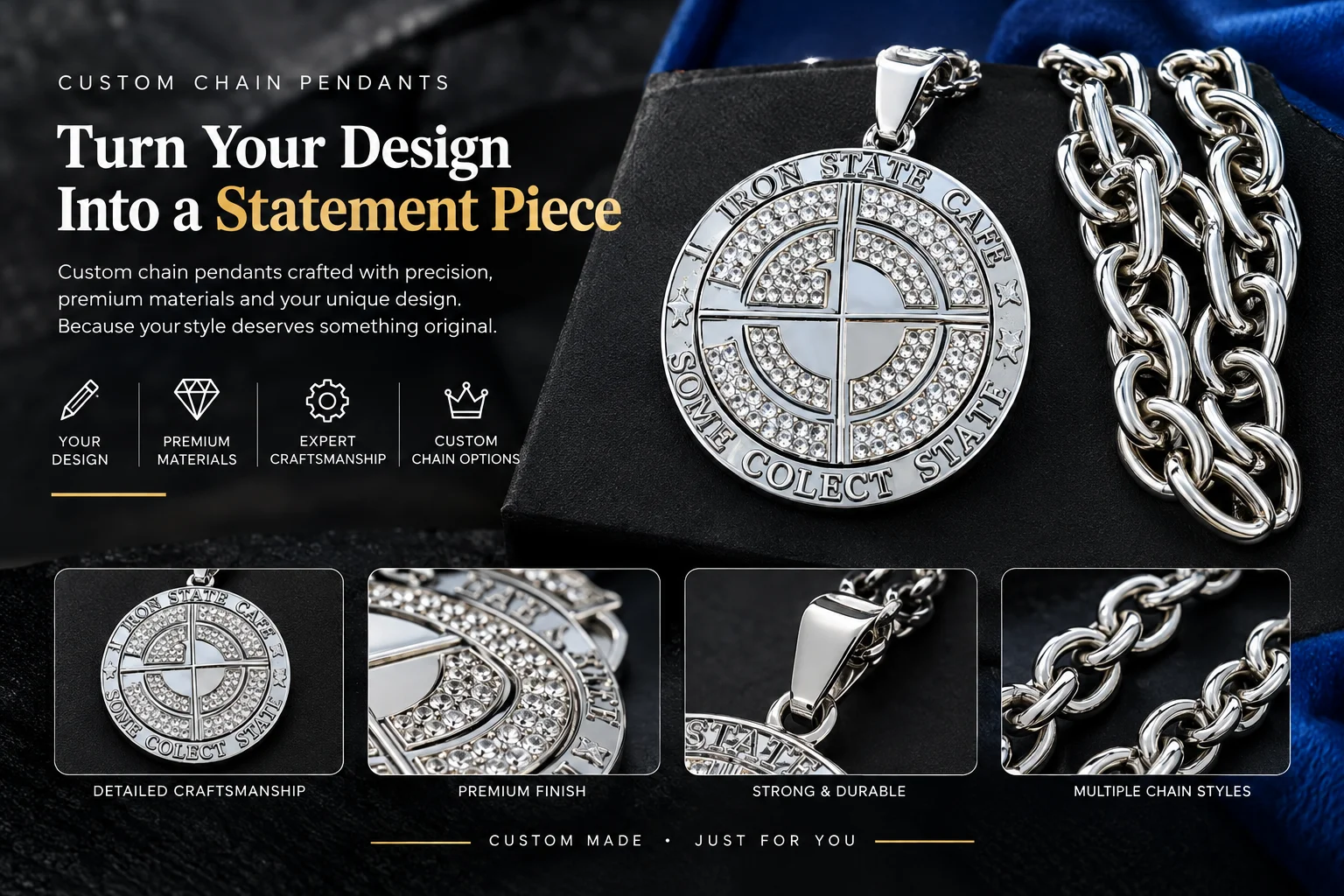
Chains and pendants have been part of personal style for centuries, but the way people wear them today looks a lot different than it used to. Instead of picking whatever a store happens to have on the shelf, more people are turning to custom chain pendants design as a way to wear something that actually means something to them.
Whether you’re into hip-hop jewelry, streetwear accessories, or you just want a pendant that nobody else has, going custom gives you control over every detail. In this guide, we’ll walk through what custom chain pendant design really involves, the materials and styles worth knowing about, and the practical things to think about before you order one.
What Does “Custom Chain Pendants Design” Actually Mean?
Custom chain pendants design refers to the process of creating a pendant — and often the chain it hangs on — based on your own specifications rather than buying something mass-produced. This can mean:
- Designing a pendant from scratch (a logo, initials, a symbol, or a custom shape)
- Choosing your own metal, stone type, and finish
- Picking the size, weight, and chain style that pairs with it
- Adding personal touches like engravings, birthstones, or spinning centers
Some people work with a jeweler to sketch out an idea by hand. Others use online tools where you upload artwork and get a 3D preview before it’s made. Either way, the goal is the same: a pendant that reflects your taste instead of a generic design pulled from a catalog.
Why People Choose Custom Pendants Over Ready-Made Ones
There are a few clear reasons custom chain pendant design has grown so popular, especially in hip-hop and streetwear culture where jewelry is a form of self-expression.
1. Uniqueness
A store-bought pendant might be worn by thousands of other people. A custom one is yours alone. For collectors, artists, and fans who want their jewelry to say something specific about them, that matters.
2. Better fit for personal style
Not everyone wants the same chain length, pendant size, or stone density. Custom design lets you match the piece to how you actually dress and how you want it to sit.
3. Sentimental or fan-driven meaning
Many custom pendants are tied to something personal — a nickname, a logo, a tribute to a favorite artist, athlete, or wrestling persona. A generic pendant can’t carry that same weight.
4. Control over quality and materials
When you design your own piece, you decide whether you want solid metal or plated, natural stones or cubic zirconia, and how the piece is finished. That control isn’t always available with pre-made jewelry.
Popular Styles in Custom Chain Pendant Design
Custom doesn’t mean complicated. Most requests fall into a few recognizable categories:
Iced-Out Pendants
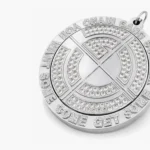
These feature pendants fully covered in stones — usually cubic zirconia or, in higher-end pieces, genuine diamonds. The “iced” look is a hallmark of hip-hop jewelry and is often paired with a matching iced chain.
Spinner Pendants
Spinner pendants have a center medallion that rotates independently from the outer frame. This style became iconic through wrestling and hip-hop culture and remains a favorite for anyone wanting a pendant with movement and presence.
Letter and Initial Pendants
Custom initials, names, or short words spelled out in bold lettering are one of the most requested custom designs. They’re personal, easy to recognize, and simple to pair with different chain styles.
Logo and Symbol Pendants
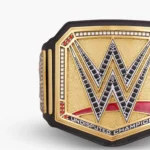
Brand logos, sports team emblems, wrestling belts, or original artwork can all be turned into pendant designs. This is common among fans and collectors who want a wearable version of something they’re passionate about.
Religious and Symbolic Pendants
Crosses, stars, and other symbolic shapes remain popular, often customized with stone placement or engraved details that give them a personal meaning.
Materials Used in Custom Chain Pendants
The material you choose affects how the pendant looks, how much it weighs, and how long it lasts. Here are the most common options:
Zinc Alloy
A popular budget-friendly base metal for costume and fashion jewelry. It’s durable enough for everyday wear, holds plating well, and keeps the overall cost down — which is why it’s widely used in fashion-forward pieces like spinner pendants.
Stainless Steel
Known for being resistant to tarnish and corrosion. It’s a solid choice for people who want low-maintenance jewelry that holds up well over time.
Gold and Silver (Solid or Plated)
Solid gold and silver pendants cost more but offer long-term durability and resale value. Plated versions give a similar look at a lower price point, though the plating can wear over time with heavy use.
Cubic Zirconia vs. Diamonds
Cubic zirconia (CZ) stones are the standard in most iced-out fashion pendants. They mimic the sparkle of diamonds at a fraction of the cost, making fully-iced designs accessible without the price tag of real diamonds.
Things to Think About Before Designing Your Own Pendant
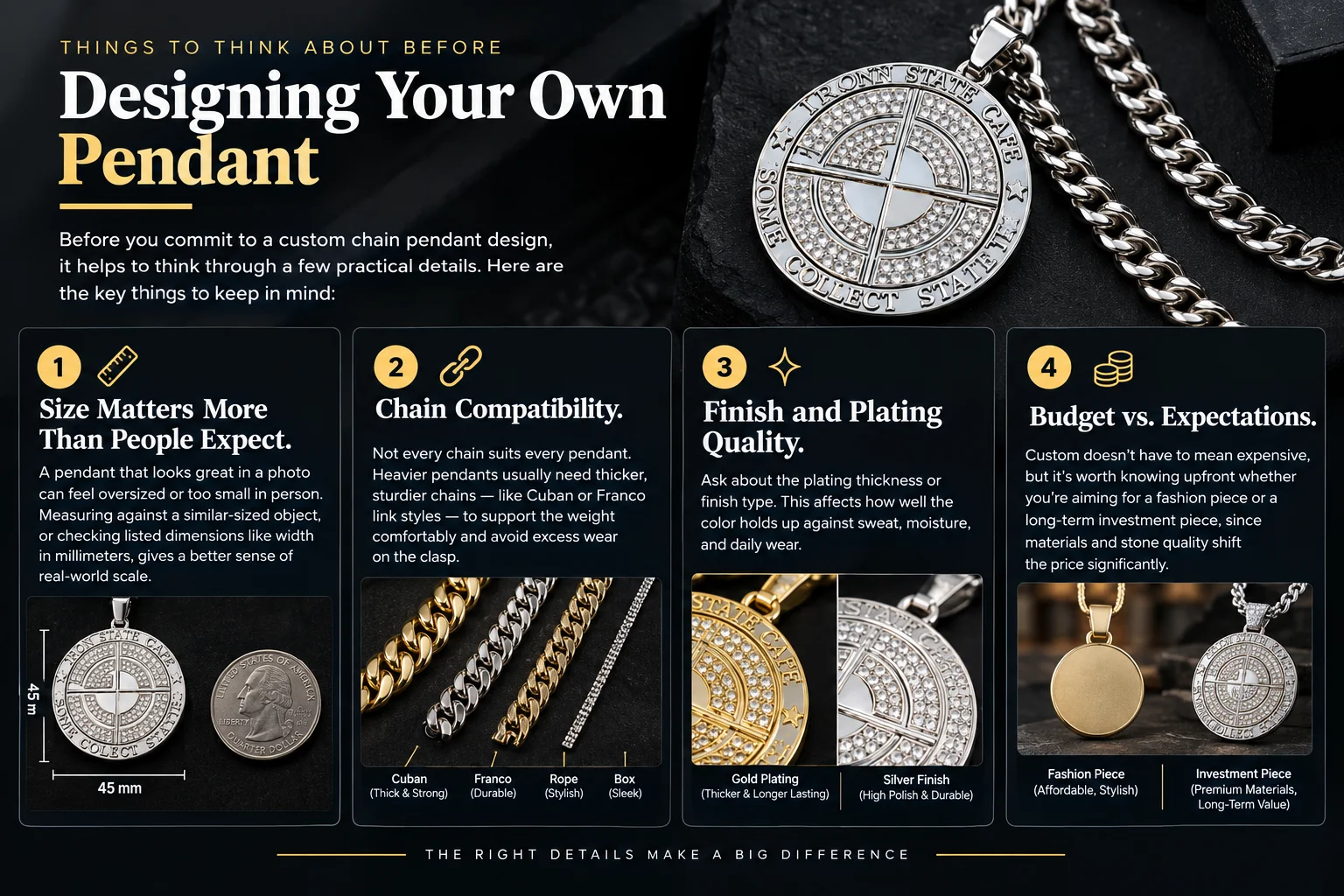
Before you commit to a custom chain pendant design, it helps to think through a few practical details.
Size matters more than people expect. A pendant that looks great in a photo can feel oversized or too small in person. Measuring against a similar-sized object, or checking listed dimensions like width in millimeters, gives a better sense of real-world scale.
Chain compatibility. Not every chain suits every pendant. Heavier pendants usually need thicker, sturdier chains — like Cuban or Franco link styles — to support the weight comfortably and avoid excess wear on the clasp.
Finish and plating quality. Ask about the plating thickness or finish type. This affects how well the color holds up against sweat, moisture, and daily wear.
Budget vs. expectations. Custom doesn’t have to mean expensive, but it’s worth knowing upfront whether you’re aiming for a fashion piece or a long-term investment piece, since materials and stone quality shift the price significantly.
We’ll pick up next with how the custom design process actually works step by step, common questions buyers ask, care tips to keep your pendant looking sharp, and how to choose a seller you can trust.
If you’ve never ordered a custom piece before, the process is more straightforward than it sounds. Most custom jewelry makers — whether local jewelers or online specialists — follow a similar path from idea to finished product.
Step 1: Share your concept
This can be as simple as a roug
sketch, a reference photo, or a written description of what you want. Some people bring in an existing logo or design; others start with nothing more than an idea in their head.
Step 2: Get a design mockup
A good jeweler or design team will turn your concept into a digital mockup or 3D render before any metal is touched. This is your chance to review size, proportions, and stone placement, and request changes before production starts.
Step 3: Choose materials and finish
At this stage you’ll lock in decisions like metal type, plating color (gold, silver, rose gold, black rhodium), and stone type. This is also where you’d confirm details like a spinning center, engraving, or two-tone design if you want them.
Step 4: Production
Once approved, the piece goes into production. Simpler designs might take a couple of weeks; more detailed or fully custom-cast pieces can take longer, especially if hand-set stones are involved.
Step 5: Quality check and delivery
Before shipping, a reputable maker checks the piece for loose stones, even plating, and secure settings. This step matters more than people realize — a rushed quality check is often where problems slip through.
Common Questions People Ask About Custom Pendant Design
Is a custom pendant worth it if I don’t know exactly what I want?
Yes. Most designers are used to working from vague ideas. Bringing a few reference images, even from different pendants you like, is usually enough to get the process started. You don’t need a finished concept to begin.
How do I know what size pendant to order?
Think about how it will sit on your chest and pair with your typical chain length. A pendant measured in millimeters (like a 16mm design) gives you a fixed reference point — searching for that measurement next to a coin or ruler photo helps visualize scale better than a product photo alone.
Can I combine multiple styles, like a spinner with initials?
In most cases, yes. Spinner mechanisms, lettering, and iced detailing can often be combined, though it depends oCustom Chainn the complexity and the maker’s capabilities. It’s worth asking directly before finalizing a design.
Will a CZ pendant look “fake” compared to diamonds?
Not necessarily. Quality cubic zirconia, well-cut and properly set, mimics the sparkle of diamonds closely enough that the difference isn’t obvious from a normal viewing distance. The biggest visual difference usually comes down to setting quality, not the stone itself.
Does a heavier pendant mean better quality?
Not always. Weight often comes down to the base metal and pendant size rather than craftsmanship. A well-made lightweight pendant can outlast a poorly finished heavy one. Focus on finish quality, stone setting, and plating rather than weight alone.
How to Style a Custom Chain Pendant
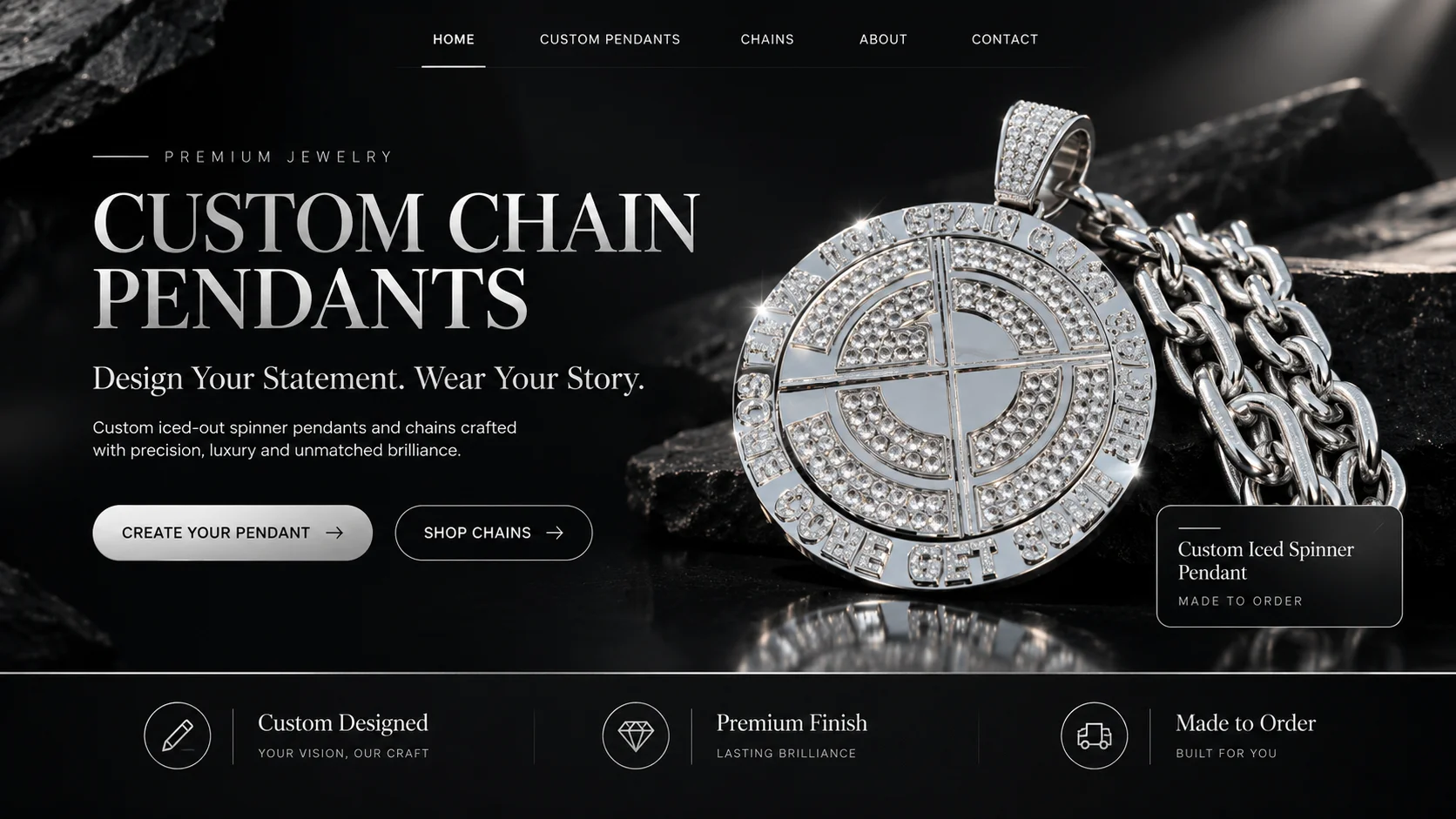
Once your pendant is made, how you wear it matters just as much as the design itself.
Match the chain to the occasion. A bold, fully iced spinner pendant on a thick Cuban chain reads as a statement piece — great for standing out. A smaller custom pendant on a simple rope or box chain works better for everyday wear.
Layering with other chains. If you wear multiple chains, keep pendant sizes and lengths varied so they don’t overlap or compete visually. A shorter chain with a smaller pendant paired with a longer chain and your custom statement piece usually looks more intentional than two similar-length chains stacked together.
Consider your wardrobe, not just the piece. Bold, iced-out pendants tend to stand out most against simpler, plainer outfits. If your clothing already has a lot going on, a heavily detailed pendant can end up competing with it instead of standing out.
Caring for Your Custom Pendant
A custom piece is often more meaningful than something bought off a shelf, so it’s worth protecting.
- Avoid moisture exposure. Sweat, pools, and showers can dull plating and loosen stone settings over time. Taking the piece off before workouts or swimming extends its life.
- Store it properly. A soft pouch or lined jewelry box prevents scratches, especially if the pendant has raised detailing or a spinning mechanism.
- Clean gently. A soft, dry cloth works for regular upkeep. For iced pieces, a soft-bristle brush (like a clean, unused toothbrush) can help clear dust from between stones without damaging the setting.
- Check the spinner mechanism if applicable. Spinner pendants have moving parts, so it’s worth periodically checking that the center rotates smoothly and nothing has loosened.
- Get plated pieces re-plated when needed. If you chose a plated finish rather than solid metal, expect the color to fade with heavy wear over time. Re-plating is a normal part of ownership, not a sign of a defective piece.
Choosing a Seller for Your Custom Chain Pendant Design
Not all custom jewelry sellers offer the same level of quality or transparency, so a bit of research goes a long way.
Look for clear material information. A trustworthy seller will tell you exactly what metal, plating, and stone type you’re getting — not vague terms like “premium metal” with no further detail.
Ask about the mockup process. If a seller won’t show you a design preview before production, that’s a red flag. You should always see and approve the design before it’s made.
Check for real customer feedback. Reviews and photos from actual buyers tell you more about finish quality and durability than product photos alone.
Understand the return or revision policy. Custom items are often final sale, but a good seller will still have a clear policy for handling defects, like loose stones or plating issues, shortly after delivery.
Compare pricing to materials, not just the design. A cheap price on a fully iced, spinner-style pendant usually means lower-grade stones or thinner plating. Understanding realistic pricing for the materials involved helps you avoid pieces that won’t hold up.
Final Thoughts
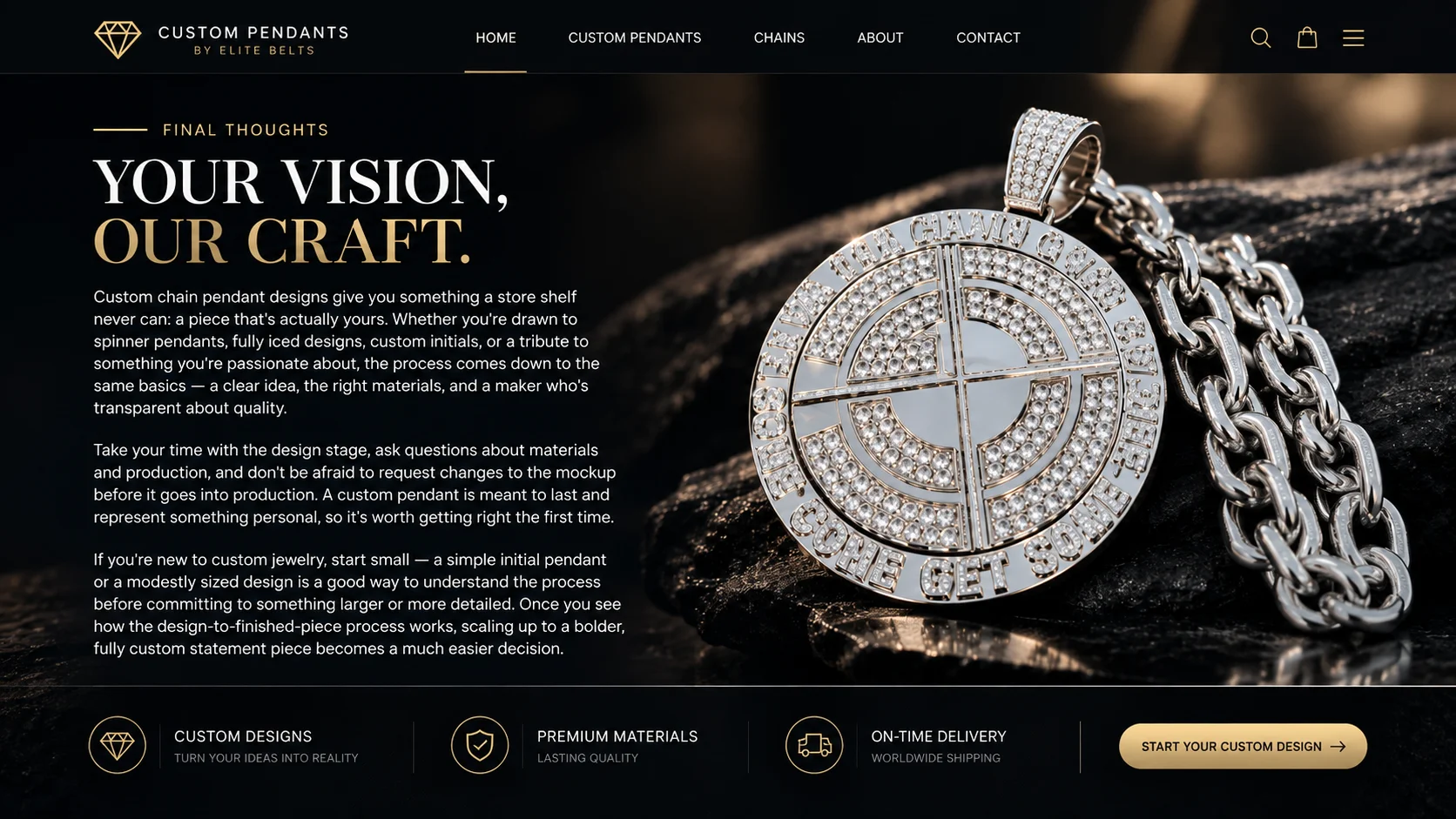
Custom chain pendants design gives you something a store shelf never can: a piece that’s actually yours. Whether you’re drawn to spinner pendants, fully iced designs, custom initials, or a tribute to something you’re passionate about, the process comes down to the same basics — a clear idea, the right materials, and a maker who’s transparent about quality.
Take your time with the design stage, ask questions about materials and production, and don’t be afraid to request changes to the mockup before it goes into production. A custom pendant is meant to last and represent something personal, so it’s worth getting right the first time.
If you’re new to custom jewelry, start small — a simple initial pendant or a modestly sized design is a good way to understand the process before committing to something larger or more detailed. Once you see how the design-to-finished-piece process works, scaling up to a bolder, fully custom statement piece becomes a much easier decision.