

How Custom Crowns Are Made: Design, Materials & Craftsmanship

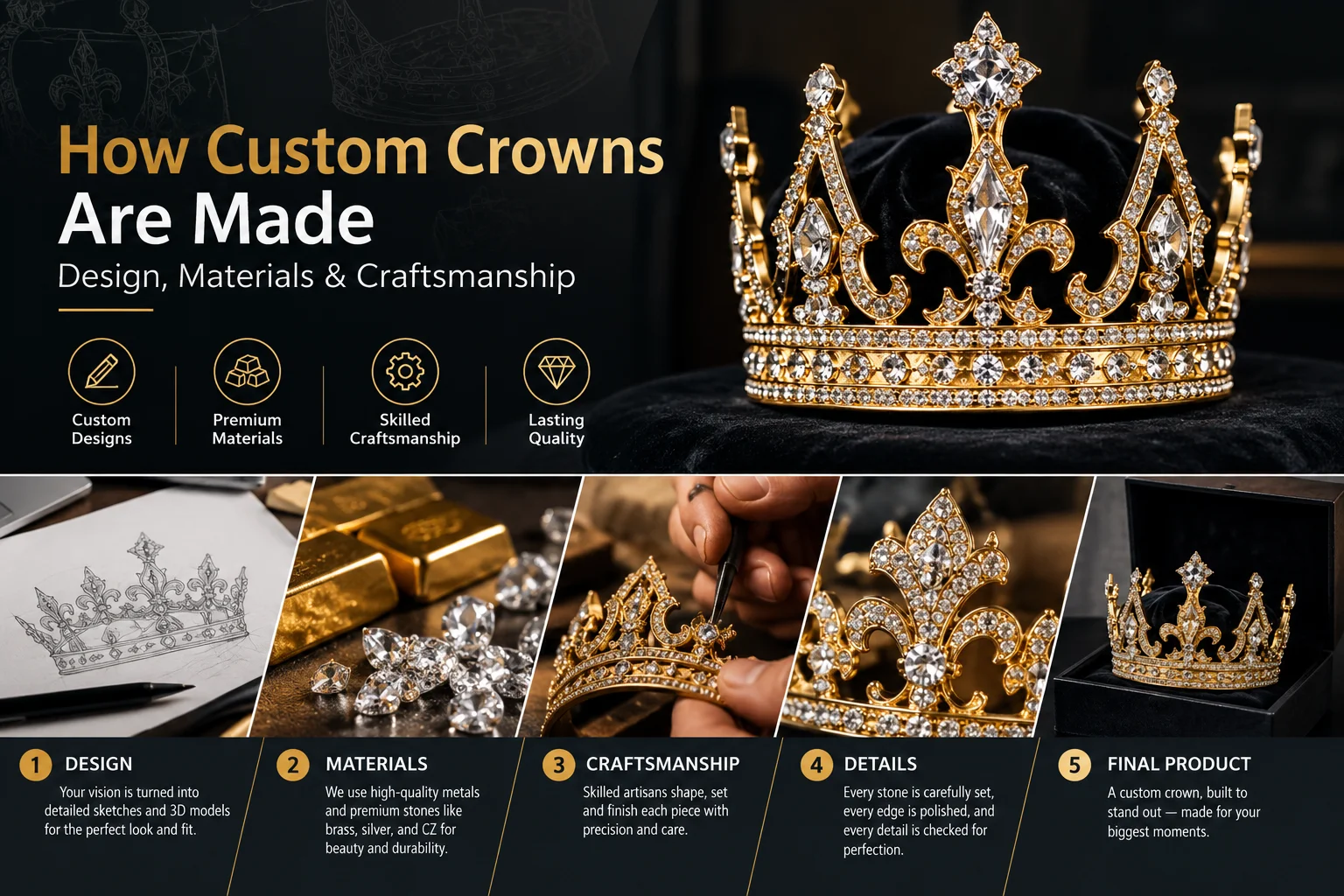
A custom crown is more than a decorative accessory. It can represent victory, royalty, personal achievement, a wrestling legend, or a memorable moment. From bold championship crowns inspired by professional wrestling to elegant royal headpieces, every design combines creativity, materials, and detailed craftsmanship.
But have you ever wondered how custom crowns are made? The process involves much more than shaping metal and adding decorative stones. It begins with an idea, develops through design planning, and continues through material selection, component production, finishing, assembly, and quality inspection.
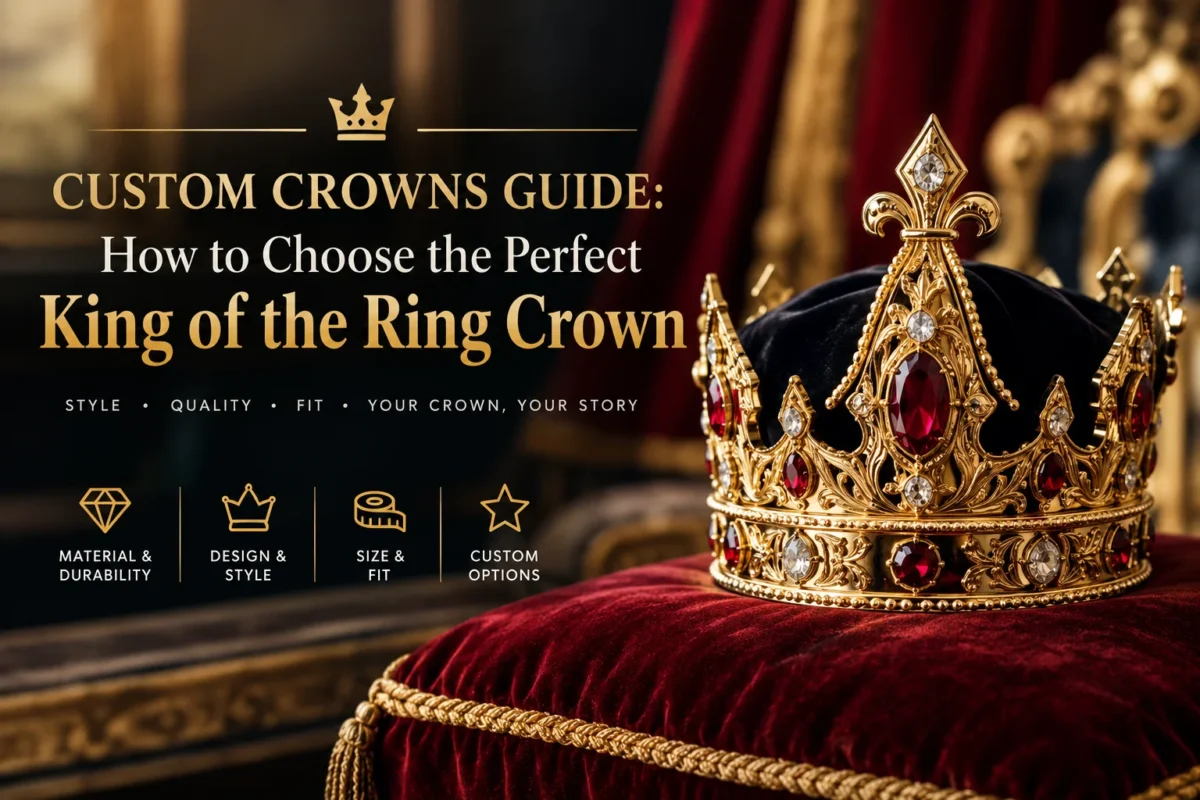
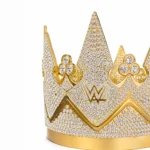
For wrestling fans and collectors, a custom championship crown can become a standout piece of memorabilia. Large decorative shapes, layered details, gold-tone finishes, colorful accents, and crystal-style stones can create the dramatic appearance associated with legendary wrestling personalities.
For example, a wrestling-inspired design such as the Macho Man King Randy Savage Crown by Elite Belts demonstrates how an oversized royal profile, dimensional detailing, colorful enamel accents, and sparkling stones can come together in a distinctive display piece.
In this guide, we will explain how custom crowns are made, which materials and techniques are commonly used, how decorative elements are added, and what buyers should consider when ordering a personalized crown.
What Is a Custom Crown?
A custom crown is a headpiece designed around specific requirements rather than being limited to a standard, mass-produced design. Its shape, dimensions, colors, decorative elements, and finish can be selected to suit a particular purpose.
Some crowns are designed for comfortable wear, while others are created primarily for display, photography, collecting, or special events.
Common types of custom crowns include:
- Wrestling championship crowns: Bold designs inspired by wrestling personalities, championship celebrations, and royal ring entrances.
- King and queen crowns: Traditional royal designs featuring decorative points, curved arches, and metallic finishes.
- Pageant crowns: Elegant pieces that may incorporate crystals, colorful stones, and intricate patterns.
- Event and award crowns: Personalized designs created for competitions, themed celebrations, or recognition ceremonies.
- Collectible display crowns: Decorative pieces designed to showcase a character, personality, organization, or personal interest.
The manufacturing process depends on the intended use. A crown designed for repeated wear may require different materials, weight distribution, and fitting considerations than a large collectible intended to remain on a display stand.
Understanding the purpose before production helps the maker choose a suitable design and construction method.
How Custom Crowns Are Made: The Step-by-Step Process
Although manufacturing methods vary between workshops and designs, most custom crowns follow a series of essential stages. Each stage contributes to the appearance, structure, and final quality of the finished piece.
1. Developing the Crown Design Concept
Every custom crown begins with an idea.
The customer might want a traditional royal crown, a wrestling-inspired championship piece, a personalized crown featuring initials, or a bold design based on a particular character or theme.
At this stage, the designer gathers the important details, including the overall shape, intended use, preferred colors, decorative features, and approximate dimensions.
Reference photographs can help communicate the desired appearance. Customers may also provide sketches, logos they have permission to use, color combinations, or examples of particular decorative styles.
For a wrestling-inspired crown, the concept might include:
- An oversized royal silhouette.
- A prominent central decorative feature.
- Raised patterns and layered ornamental elements.
- Gold-tone plating or another metallic finish.
- Colorful enamel sections.
- Crystal-style stones arranged around the main design.
The goal is to turn a general idea into a practical design concept that can be manufactured.
Why this stage matters: A clear concept reduces misunderstandings later. It also helps the maker determine which features are realistic for the chosen materials, production method, and intended use.
2. Creating a Detailed Crown Design
Once the concept is established, the next step is to develop the visual design.
Depending on the project, this may involve hand-drawn sketches, digital illustrations, or a three-dimensional model. A 3D design can be particularly helpful when a crown includes complex shapes, raised surfaces, decorative layers, or several types of embellishment.
The designer considers how the different components will fit together and how the crown will look from multiple angles.
Important design elements include the height of the crown, the shape of its upper edges, the size of its decorative panels, and the placement of stones or other ornaments.
For a large wrestling championship crown, the central area may need to be visually dominant. Smaller decorative sections can then balance the design without making the overall appearance too crowded.
The designer must also consider the crown’s proportions. A design that looks attractive in a flat illustration may require adjustments when converted into a three-dimensional object.
Before production begins, the customer should review the important design details. If personalization is included, spelling, lettering, symbols, and colors should be checked carefully.
3. Choosing the Right Materials
Material selection is one of the most important steps in understanding how custom crowns are made.
The material influences the crown’s weight, structural strength, surface detail, cost, maintenance requirements, and suitability for wearing or displaying.
Common material options include metal alloys, brass, aluminum, and plastic or resin. Decorative elements may include enamel, crystal-style stones, acrylic gems, and other embellishments.
The best option depends on the design rather than on appearance alone.
Metal alloys
Metal alloys are commonly considered for decorative crowns that need a substantial feel and detailed construction. Depending on the alloy and manufacturing process, they can support raised patterns, shaped components, and decorative features.
Some alloys are suitable for casting complex shapes, while others may be used for separate structural or decorative parts.
The specific alloy matters because not all metals offer the same strength, weight, corrosion resistance, or finishing characteristics.
Brass
Brass can be used in decorative metalwork and crown components. It supports detailed shaping and can receive different surface finishes, depending on the preparation and finishing process.
It may be suitable for selected ornamental elements, although the design, thickness, and construction method determine its practical performance.
Aluminum
Aluminum is generally lighter than many other metals used in decorative manufacturing. This can be useful when weight is an important consideration.
However, its suitability depends on the required shape, thickness, finish, and expected handling.
Plastic and resin
Plastic and resin can be useful for costume crowns, lightweight decorative pieces, and designs that require molded shapes.
These materials can offer flexibility in appearance and may be suitable for projects where low weight is more important than the substantial feel of metal.
Decorative stones and enamel
Stones and enamel add color, contrast, and visual depth. Crystal-style stones may create sparkle, while enamel can introduce solid colors into selected sections of the crown.
These decorative materials are normally selected according to the design, the intended visual effect, and the method used to attach them.
Before placing an order, ask the maker which materials are used in the main structure and which are used only for decorative details. A metallic-looking finish does not necessarily mean that every component is made from solid metal.
4. Forming the Crown Components
After the design and materials are approved, the manufacturing process moves into component production.
The exact technique depends on the crown’s construction and the materials involved.
For suitable metal designs, components may be produced through casting, stamping, cutting, shaping, or machining. Plastic and resin designs may use molding or other forming methods.
Each method has different advantages.
Casting can produce complex three-dimensional forms, including raised decorative features and curved surfaces. It is useful when a design contains intricate shapes that would be difficult to create from a simple flat sheet.
Stamping and pressing can create repeated patterns or shapes in suitable materials. These techniques may be useful for certain decorative panels or simpler components.
Cutting and shaping help create individual pieces that are assembled into the intended structure. The method used depends on the material’s thickness and the complexity of the design.
Not every crown uses all these techniques. A relatively simple costume crown may need a much less involved manufacturing process than a large, multi-component championship crown.
Once the components have been formed, their edges and surfaces may require additional preparation before decoration begins.
5. Creating Raised Details and Decorative Patterns
Dimensional detailing is one of the features that can make a custom crown look more impressive.
Instead of relying entirely on a flat surface, the design may include raised borders, recessed sections, sculpted shapes, layered ornaments, and textured patterns.
These features create differences in light and shadow, helping the crown appear more detailed when viewed in person or photographed.
On a wrestling-inspired crown, raised elements can help emphasize the central motif, ornamental points, or decorative borders. The combination of different surface levels may also make the design appear richer under stage lighting.
The level of detail depends on the manufacturing method, the material, and the amount of space available.
A good design balances decorative complexity with practical construction. Too many small features can make a crown visually crowded or create areas that are difficult to clean and maintain.
For this reason, the designer should prioritize the most important visual elements and use supporting details to complement them.
6. Preparing the Surface for Finishing
Before a crown receives its final color or metallic appearance, its surfaces may need careful preparation.
Depending on the material and manufacturing process, this can include trimming, smoothing, removing unwanted casting material, correcting surface imperfections, and preparing areas for coating or plating.
Surface preparation matters because decorative finishes can highlight imperfections rather than hide them.
Uneven surfaces, rough edges, or poorly prepared joints may become more noticeable after a reflective coating is applied.
The manufacturer may use sanding, polishing, cleaning, or other suitable preparation techniques to create an appropriate base for the next stage.
The required preparation varies between materials. A metal component intended for plating may need a different treatment from a molded resin piece that will receive paint.
At this point, the maker should also check the component’s basic shape and fit. Correcting a structural issue before final finishing is generally easier than repairing it after decorative elements have been attached.
A carefully prepared surface creates a better foundation for the crown’s final appearance.
7. Applying Gold-Tone Finishes and Other Metallic Coatings
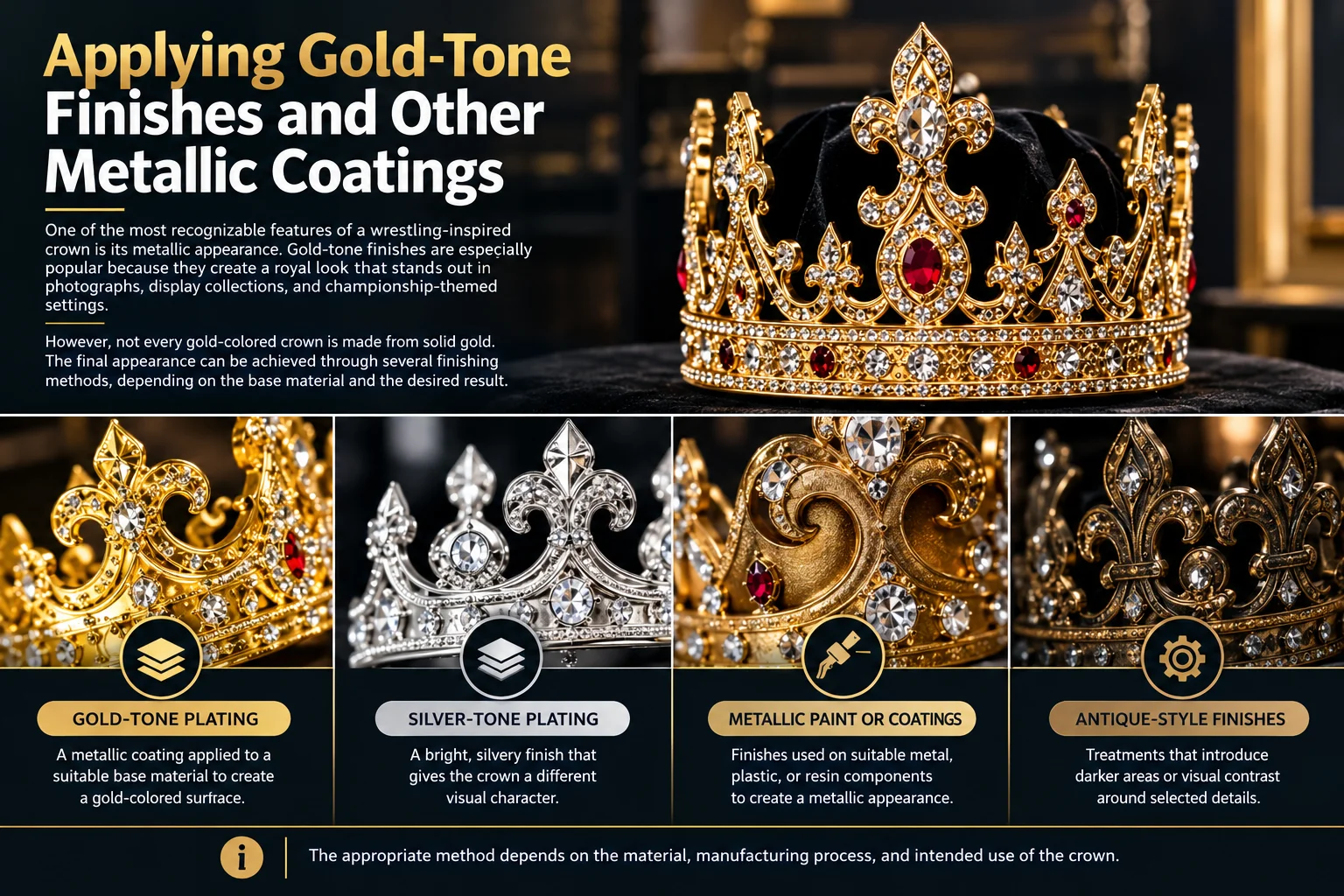
One of the most recognizable features of a wrestling-inspired crown is its metallic appearance. Gold-tone finishes are especially popular because they create a royal look that stands out in photographs, display collections, and championship-themed settings.
However, not every gold-colored crown is made from solid gold. The final appearance can be achieved through several finishing methods, depending on the base material and the desired result.
Common options include:
- Gold-tone plating: A metallic coating applied to a suitable base material to create a gold-colored surface.
- Silver-tone plating: A bright, silvery finish that gives the crown a different visual character.
- Metallic paint or coatings: Finishes used on suitable metal, plastic, or resin components to create a metallic appearance.
- Antique-style finishes: Treatments that introduce darker areas or visual contrast around selected details.
The appropriate method depends on the material, manufacturing process, and intended use of the crown.
How does gold-tone plating work?
When plating is used, the component is prepared so that the coating can adhere properly. Depending on the materials involved, the process may include cleaning and applying intermediate layers before the final metallic finish.
The result is a surface that resembles gold without necessarily using solid gold as the main construction material.
The appearance and durability of the finish depend on the plating process, coating thickness, surface preparation, and how the crown is handled.
For a large championship crown, a reflective gold-tone finish can emphasize raised patterns and ornamental edges. When combined with darker recessed areas, it may also create greater visual depth.
Before ordering a custom crown, ask the manufacturer to clarify the type of finish used. Terms such as gold finish, gold-tone, and gold plated do not all mean the same thing.
8. Adding Enamel Colors and Decorative Accents
Color plays an important role in the personality of a custom crown.
A traditional royal design might use gold and deep red, while a wrestling-inspired crown could incorporate several contrasting colors to create a more dramatic appearance.
Enamel is one option for introducing defined colors into selected areas of a design. Depending on the product and process, manufacturers may use different types of enamel or other suitable coloring materials.
The process typically involves preparing the designated areas, applying the selected colors, and allowing the material to set or cure according to the method used.
Color placement should be planned before production. This helps prevent the finished crown from looking overcrowded or unbalanced.
For example, a wrestling championship crown might use:
- Gold-tone surfaces for the main structure.
- Red, blue, or green accents for selected decorative sections.
- Darker details to emphasize the shape of raised patterns.
- Clear or colored stones to highlight important areas.
The exact combination depends on the design concept.
Why color balance matters
Using more colors does not automatically make a crown more attractive. A carefully chosen palette often produces a stronger result than adding decorative colors to every available space.
The most important features should remain easy to recognize from a distance. Smaller accents can then provide additional detail when someone views the crown closely.
When ordering a personalized crown, request a clear color plan or digital preview whenever possible. Confirm the main color, accent colors, and locations where each color will appear.
This is particularly useful when the crown represents a specific event, organization, character, or personal collection.
9. Setting Crystal-Style Stones and Other Embellishments
Decorative stones can transform the appearance of a crown by adding sparkle, contrast, and visual interest.
Depending on the design, a manufacturer may use crystal-style stones, glass crystals, acrylic gems, or other decorative materials.
These options vary in clarity, weight, cost, and appearance. The best choice depends on the intended look and how the crown will be used.
For example, a display crown may prioritize visual impact, while a crown intended for frequent wear may require extra attention to the security and placement of its decorative elements.
How are stones attached?
The attachment method depends on the type of stone, the crown’s base material, and the construction of the setting.
Some designs use individual settings or prongs to hold stones in place. Others use suitable adhesives or dedicated mounting methods.
The manufacturer should choose an approach appropriate for the materials and expected handling.
Stone placement is usually planned during the design stage. This helps ensure that the decorative elements fit within the available space and complement the overall pattern.
A balanced arrangement can draw attention to the crown’s central feature without overwhelming its other details.
What should buyers check?
Before ordering, consider these questions:
- Are the stones made from crystal, glass, acrylic, or another material?
- Are the decorative elements evenly positioned?
- Are the settings secure?
- Are any stones likely to interfere with comfortable wear?
- Can loose or damaged stones be repaired if necessary?
A well-finished crown should not depend on sparkle alone. Secure attachment, consistent placement, and a coherent design are equally important.
10. Assembling the Crown
After the major components have been manufactured and decorated, the crown can be assembled.
This stage brings the separate pieces together into one finished product.
Depending on the design, assembly may involve attaching decorative panels, joining structural components, fitting ornamental points, securing embellishments, and connecting different sections.
The manufacturer may use suitable fasteners, adhesives, soldering, or other joining methods, depending on the materials and construction.
For a large wrestling-inspired crown, the central decorative area, surrounding borders, and upper ornamental sections must work together visually and structurally.
The assembly process also requires attention to alignment. A slightly misplaced decorative panel can affect the balance of the entire design, particularly when the crown features symmetrical patterns.
Balancing appearance with usability
A crown designed for display can prioritize size and visual drama. A wearable crown needs additional consideration.
Its inner shape, weight distribution, edges, and fit should suit the intended wearer. Sharp edges or poorly secured components can create discomfort or damage clothing.
If the crown is intended for repeated use, ask about the interior construction and how it is designed to remain in place.
For a collectible piece, the manufacturer should also consider how the crown will rest on a display stand and whether its weight is supported safely.
Good assembly is about more than connecting parts. It ensures that the different components function together as intended.
11. Quality Inspection and Final Finishing
Before a custom crown is considered complete, it should undergo a final inspection.
The inspection helps identify visible defects, assembly problems, uneven finishes, and decorative elements that may need adjustment.
Although quality-control procedures vary by manufacturer, a useful final checklist includes the following areas.
Surface quality: Check for noticeable scratches, rough patches, uneven coating, and unwanted marks.
Color consistency: Confirm that the metallic finish and colored sections match the approved design as closely as practical.
Decorative details: Inspect the placement of stones, enamel accents, raised patterns, and ornamental features.
Assembly: Check that connected parts are secure and that the crown feels stable when handled appropriately.
Edges and interior: For wearable designs, look for uncomfortable edges, exposed fasteners, and areas that could cause irritation.
Personalization: Verify any lettering, initials, symbols, or other custom details.
Overall appearance: Compare the completed piece with the approved design and identify any significant differences.
Photographs can help customers review the finished appearance before shipment, where the manufacturer’s process allows this.
Keep in mind that photographs and digital previews cannot always show every physical detail. Lighting may also affect how metallic coatings and stones appear on screen.
Clear communication about the expected finish, materials, dimensions, and design helps make the final inspection more useful.
12. How Long Does It Take to Make a Custom Crown?
The production time for a custom crown depends on its complexity, the manufacturing method, material availability, finishing requirements, and the number of components involved.
A simple costume crown may require a different production schedule from a detailed metal championship crown featuring multiple decorative layers, colored sections, and numerous stones.
Custom designs can also require additional time for artwork approval and revisions.
For example, the production process may include:
- Discussing the design and requirements.
- Preparing and approving the artwork.
- Manufacturing the components.
- Applying surface finishes and decorative colors.
- Attaching stones and ornamental elements.
- Assembling and inspecting the crown.
- Preparing the finished item for shipment.
Each stage depends on the work completed before it.
For a detailed wrestling-inspired crown, the manufacturer may need to coordinate several production and finishing steps rather than complete the entire item in one operation.
Before placing an order, ask for an estimated production window and clarify whether it includes design approval, finishing, inspection, and shipping.
If you need the crown for a tournament, celebration, photoshoot, or special event, communicate the required delivery date before production begins.
13. How to Customize a Crown for Your Own Design
One of the main advantages of ordering a custom crown is the ability to create a piece that reflects a specific idea or personality.
Instead of selecting only from standard designs, you can discuss the shape, color scheme, decorative details, and intended use with the manufacturer.
However, successful customization requires more than collecting attractive reference images. The design needs to be clear enough for the manufacturer to understand what should be produced.
Choose the overall style
Start by deciding what kind of crown you want.
You might prefer a traditional royal design, a dramatic wrestling-inspired championship crown, a pageant-style piece, or a completely original concept.
The intended style will guide the remaining choices.
Select materials and finishes
Consider whether the crown should use metal components, lightweight materials, or a combination of different options.
Then decide whether you prefer a gold-tone, silver-tone, antique-style, or colored finish.
Make sure the material and finish are suitable for your intended use.
Plan the decorative details
Think about the elements that matter most to you.
These could include raised patterns, distinctive ornamental points, colored enamel, crystal-style stones, initials, or a personalized emblem.
Try to identify a few defining features instead of adding too many unrelated details.
Review the design before manufacturing
Ask for a digital illustration or 3D preview if the manufacturer offers one.
Review the overall proportions, decorative placement, colors, dimensions, and any personalized details.
Make sure the final concept is clear before approving production.
Communicate your requirements
A useful custom-order brief should include:
- The type and purpose of the crown.
- Reference images or original artwork.
- Preferred materials and surface finishes.
- Main colors and decorative accents.
- Approximate dimensions and intended fit.
- Any lettering or personalization.
- Whether the crown will be worn, photographed, or displayed.
- Your required completion or delivery date.
The more clearly you communicate your requirements, the easier it is to determine whether the proposed design matches your expectations.
14. What to Consider Before Buying a Custom Championship Crown
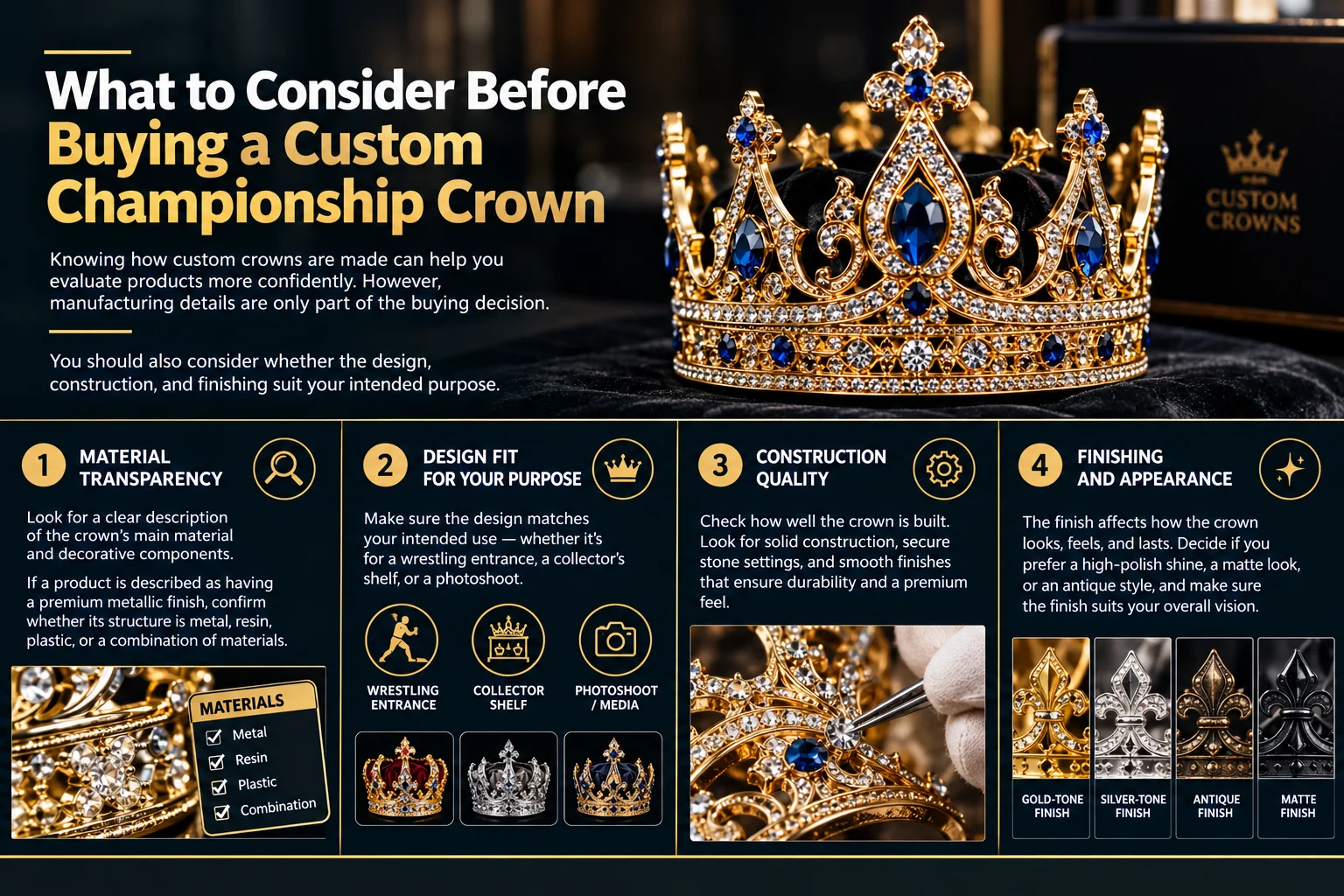
Knowing how custom crowns are made can help you evaluate products more confidently. However, manufacturing details are only part of the buying decision.
You should also consider whether the design, construction, and finishing suit your intended purpose.
Material transparency
Look for a clear description of the crown’s main material and decorative components.
If a product is described as having a premium metallic finish, confirm whether its structure is metal, resin, plastic, or a combination of materials.
Design accuracy
If you are ordering a personalized or reference-inspired crown, confirm how closely the final design is expected to follow the approved concept.
Ask whether design revisions are available before manufacturing starts.
Size and weight
A large crown can create a dramatic display, but size alone does not determine quality.
Consider the overall dimensions, weight, inner circumference, and intended fit. If the crown is primarily decorative, check whether you need a suitable stand for display.
Finishing and detailing
Examine product photographs for consistent colors, clearly defined raised patterns, neat decorative placement, and a coherent overall design.
Where possible, review multiple angles rather than relying on a single front-facing photograph.
Packaging and shipping
A decorative crown may contain projecting parts, coated surfaces, and small embellishments that need protection during transit.
Ask how the item will be packaged and what procedures apply if it arrives damaged.
Customization and support
Before ordering, clarify what can be customized and which elements remain fixed.
Also confirm the communication process, estimated production timeline, shipping arrangements, and applicable return or damage policies.
These details help you make an informed decision rather than choosing a crown based only on its appearance.
15. Wrestling-Inspired Crowns: A Bold Choice for Collectors
Wrestling-inspired crowns have a distinctive appeal because they combine royal imagery with the dramatic visual language of sports entertainment.
They can feature oversized shapes, metallic finishes, layered ornamentation, colorful accents, and prominent decorative details.
For collectors, these features can make a crown a striking addition to a memorabilia display. They may also work well for themed photography, entertainment events, or personal collections.
The Macho Man King Randy Savage Crown by Elite Belts is one example of this design direction. Its oversized royal profile, gold finishing, colorful enamel accents, dimensional detailing, and crystal-style stones illustrate how multiple decorative techniques can create a recognizable wrestling-inspired look.
When choosing a similar piece, pay attention to the construction and materials as well as the design.
If you want a crown based on a particular wrestling personality, distinguish between a general stylistic inspiration and an officially licensed product. Do not assume that a product is officially endorsed or licensed unless the seller clearly confirms this.
For a personalized design, you can also explore original color schemes, custom lettering, and distinctive decorative elements that reflect your own collection or event.
The strongest designs are those in which every detail supports a clear visual identity.
16. How to Care for a Custom Crown
Proper care helps preserve the appearance of a decorative crown over time.
The most appropriate maintenance method depends on its base material, surface coating, and decorative elements.
Follow these basic precautions:
- Clean gently: Use a soft, dry cloth to remove dust and fingerprints when appropriate for the finish.
- Avoid harsh chemicals: Strong cleaners, abrasive products, and unsuitable polishing compounds may damage coatings or decorative elements.
- Limit moisture: Keep the crown dry unless the manufacturer confirms that a particular cleaning method is safe.
- Handle carefully: Lift the crown by sturdy structural areas instead of pulling on decorative points or stone settings.
- Store securely: Use a clean, dry location away from excessive humidity, direct sunlight, and accidental impacts.
- Protect the embellishments: Avoid dropping the crown or placing heavy objects on it.
If a stone becomes loose or a decorative component is damaged, avoid using an unknown adhesive or attempting a repair that could affect the surrounding finish.
Contact the manufacturer or a suitable repair professional for guidance.
For display pieces, a stable stand can reduce unnecessary handling and help keep the crown securely positioned.
Frequently Asked Questions About How Custom Crowns Are Made
1. How are custom crowns made from start to finish?
Custom crowns typically begin with a design concept, followed by artwork development, material selection, component manufacturing, surface preparation, finishing, decoration, assembly, and quality inspection. The exact steps depend on the design and manufacturing method.
2. What materials are used to make custom crowns?
Common options include metal alloys, brass, aluminum, plastic, and resin. Decorative components may include enamel, glass or crystal-style stones, acrylic gems, and metallic coatings. The best choice depends on the desired appearance, weight, durability, and intended use.
3. Are custom championship crowns made from real gold?
Not necessarily. Many decorative crowns use a gold-tone finish or plating over another material. Buyers should check the manufacturer’s description to determine the actual base material and the type of surface finish.
4. Can I create my own wrestling crown design?
Yes, many custom crown makers accept original concepts, reference images, and personalization requests. Available options depend on the manufacturer. You should confirm the dimensions, materials, colors, decorative elements, and final artwork before production.
5. How are stones attached to custom crowns?
Stones may be held by dedicated settings, prongs, suitable adhesives, or other mounting methods. The appropriate method depends on the stone type, base material, design, and intended use. Secure attachment is especially important for crowns that will be handled or worn frequently.
6. Are metal crowns better than plastic crowns?
Neither material is automatically better for every purpose. Metal may offer a substantial feel and suit detailed collectible designs, while plastic and resin can be useful for lightweight costume pieces. The best material depends on your budget, preferred appearance, comfort requirements, and intended use.
7. Can a custom crown be worn comfortably?
Yes, if it is specifically designed for wearing and has appropriate dimensions, weight distribution, interior construction, and edges. Large decorative crowns may be better suited to display than prolonged wear, so discuss comfort and fit before ordering.
8. How do I maintain the finish on a custom crown?
Use care instructions appropriate to the material and coating. A soft, dry cloth is often suitable for routine dust removal, while harsh chemicals and abrasive cleaners should generally be avoided unless the manufacturer confirms they are safe.
9. Can I order a crown inspired by a famous wrestler?
You can discuss wrestling-inspired styles, colors, and original decorative concepts with a custom manufacturer. However, the use of protected logos, names, or distinctive designs may require permission. Check licensing and customization options before ordering.
10. What should I check before approving a custom crown?
Review the design, dimensions, materials, finish, decorative placement, personalization, production timeline, and shipping arrangements. If a digital preview is available, inspect it carefully before approving the design for manufacturing.
Final Thoughts on How Custom Crowns Are Made
Understanding how custom crowns are made helps you appreciate the work behind their appearance and make better decisions when choosing one.
The process begins with a clear idea and develops through design planning, material selection, component manufacturing, surface preparation, metallic finishing, decorative detailing, assembly, and quality inspection. Every stage contributes to the final crown’s appearance and suitability for its intended purpose.
For wrestling fans and collectors, a custom championship crown can offer a bold way to celebrate wrestling-inspired designs, create a distinctive display, or mark a special occasion. Details such as dimensional patterns, gold-tone finishes, colorful enamel, and sparkling stones can give the finished piece its character.
Before ordering, focus on the material, construction, dimensions, decorative details, and quality of the finish. Ask questions about customization and review the design carefully so you know what to expect.
If you are looking for a distinctive wrestling-inspired crown, explore the Macho Man King Randy Savage Crown by Elite Belts for a design featuring a dramatic royal profile, layered detailing, gold finishing, colorful accents, and crystal-style stones.
For a custom order or a personalized design, visit Elite Belts and discuss your preferred artwork, colors, and design requirements with the team.
A well-planned custom crown brings together thoughtful design, suitable materials, and careful finishing to create a memorable piece worthy of your collection.