Custom Pendants Guide: Design Wrestling & Statement Pendant (2026)

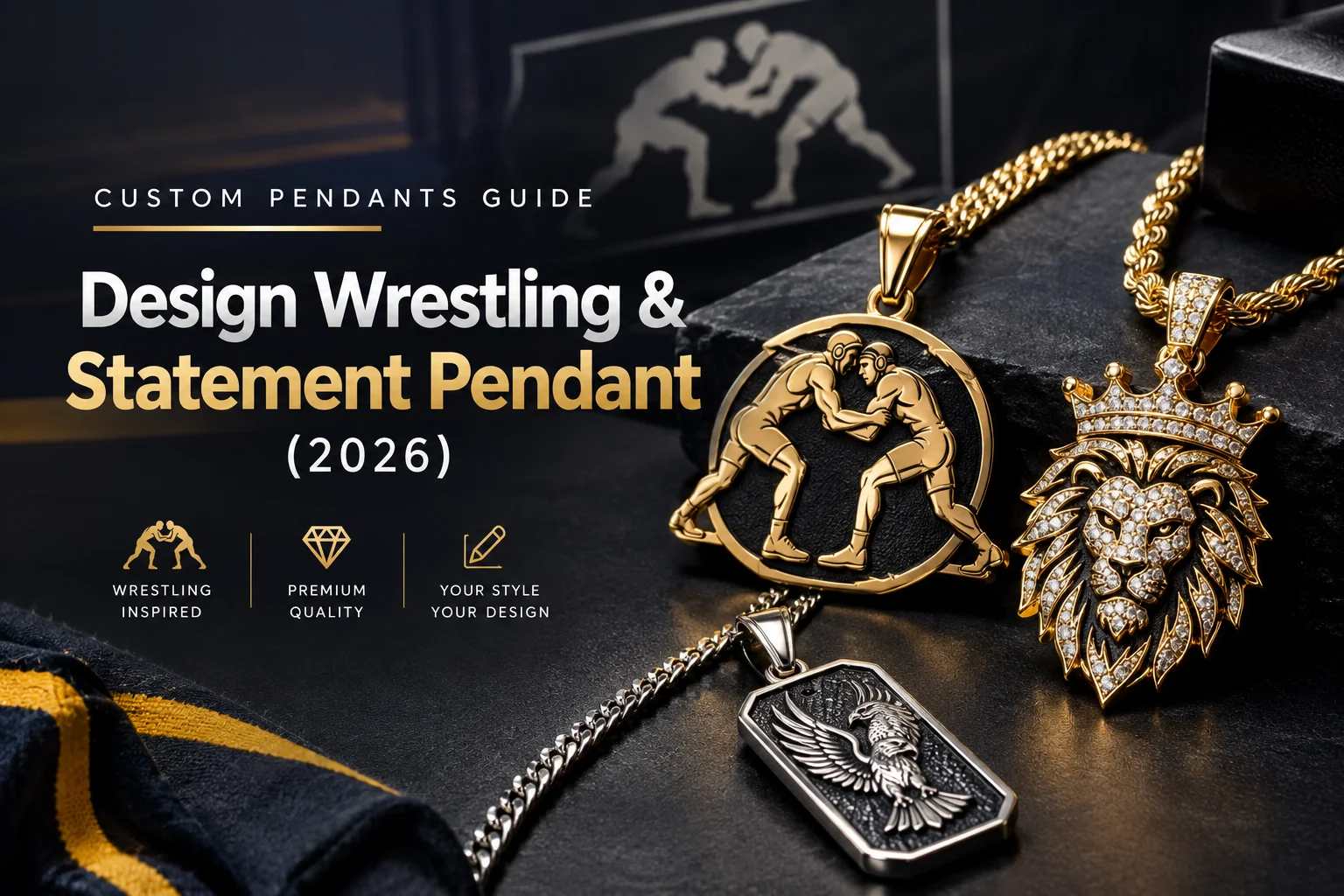
A custom pendant is more than just a piece of jewelry. It can represent your personality, celebrate an achievement, showcase your brand, or express your passion for wrestling and streetwear. Whether you want a bold WWE-inspired design, a personalized logo pendant, or a fully iced-out piece, the right design choices can turn your idea into something truly special.
Today, custom pendants are popular among athletes, performers, collectors, jewelry enthusiasts, and people who want accessories that reflect their identity. A well-designed pendant can combine eye-catching details, quality materials, and a meaningful concept in one wearable piece.
However, creating the right pendant involves more than choosing a shape and adding gemstones. You need to consider the design, metal, size, stone setting, finish, and how the pendant will work with your chain.
In this Custom Pendants Guide, we will explore the important steps involved in designing a personalized pendant, from the first idea to the final product. You will also learn how to avoid common design mistakes and choose features that match your style and intended use.
What Is a Custom Pendant?
A custom pendant is a piece of jewelry designed according to a person’s specific requirements rather than being limited to a standard, ready-made shape.
You can customize different parts of a pendant, including:
-
Shape and overall design
-
Logos, initials, and symbols
-
Metal type and finish
-
Gemstone colors and placement
-
Pendant size and thickness
-
Spinner or moving components
-
Bail design for chain attachment
For example, someone might want a pendant based on a personal logo, while a wrestling fan may prefer a bold championship-inspired design. A performer could choose a statement piece that matches their stage identity, and a business owner might use a brand logo as the central design element.
The main advantage of custom jewelry is flexibility. Instead of selecting something that only partially matches your idea, you can work toward a design that reflects your preferred appearance and purpose.
However, not every design needs to be complicated. A clean logo with carefully selected stones can be just as effective as a large, detailed pendant. The goal is to create a balanced piece that looks attractive and works well in real use.
Why Custom Pendants Are Popular in Wrestling and Streetwear
Wrestling and streetwear culture have helped make statement jewelry a recognizable part of personal style. Large pendants, iced-out logos, and bold chains are often used to create a distinctive appearance.
For wrestling fans and performers, jewelry can also connect with themes such as championships, personal branding, confidence, and individuality. A custom pendant may feature a logo, initials, a symbol, or a design inspired by a wrestler’s character.
The visual appeal often comes from a combination of size, shine, shape, and detailing. Reflective stones can catch light, while a strong metal outline helps define the design.
A pendant intended for everyday wear may use a simpler design, whereas a statement piece for events or performances can include more intricate details and a larger surface area.
Design Should Match Your Personal Style
Before choosing materials or gemstones, think about the type of appearance you want.
Do you prefer:
-
A bold, oversized pendant?
-
A clean and recognizable logo?
-
A fully iced-out jewelry design?
-
A spinner pendant with a moving center?
-
A classic gold or silver finish?
-
A wrestling-inspired statement piece?
Answering these questions helps guide the design process. It also makes communication with a jewelry manufacturer easier because you can explain the style you want before production begins.
How to Choose the Right Custom Pendant Design
The design is the foundation of your pendant. It affects how the piece looks, how easily the details can be produced, and how well the finished jewelry represents your idea.
A strong design combines visual appeal with practical construction. Even an attractive concept may need adjustments if its details are too small, its shape is difficult to manufacture, or its proportions do not work with the intended size.
1. Start With a Clear Concept
Begin with the main idea behind your pendant.
You might use:
-
A personal name or initials
-
A business logo
-
A wrestling symbol
-
A meaningful letter or number
-
An animal or character
-
A custom emblem
-
A geometric or abstract design
If you already have artwork, share the clearest version available. A high-resolution logo, vector file, or detailed reference image can help the manufacturer understand the intended shape.
If you do not have a finished design, you can explain your concept and discuss possible layouts. A manufacturer may be able to help develop the design into a production-ready version, depending on the service offered.
Helpful tip: Keep the central idea easy to recognize. A pendant with too many unrelated details may look crowded, especially when viewed from a distance.
2. Consider the Shape and Proportions
The shape of your pendant influences its overall character. Round, rectangular, shield-shaped, and custom silhouette designs can create different visual effects.
For a logo pendant, the outer shape should support the logo rather than distract from it. For a character or emblem, the outline may need to follow the main features of the artwork.
Proportions are equally important. A pendant that is very wide but too thin may not have the appearance you want. A highly detailed design may require additional space to preserve the clarity of its features.
Ask yourself:
-
Is the main logo clearly visible?
-
Are the important details large enough?
-
Does the design look balanced from the front?
-
Is the pendant thickness suitable for its size?
-
Will the shape work with the selected chain?
These considerations can help prevent changes later in the manufacturing process.
Popular Types of Custom Pendants
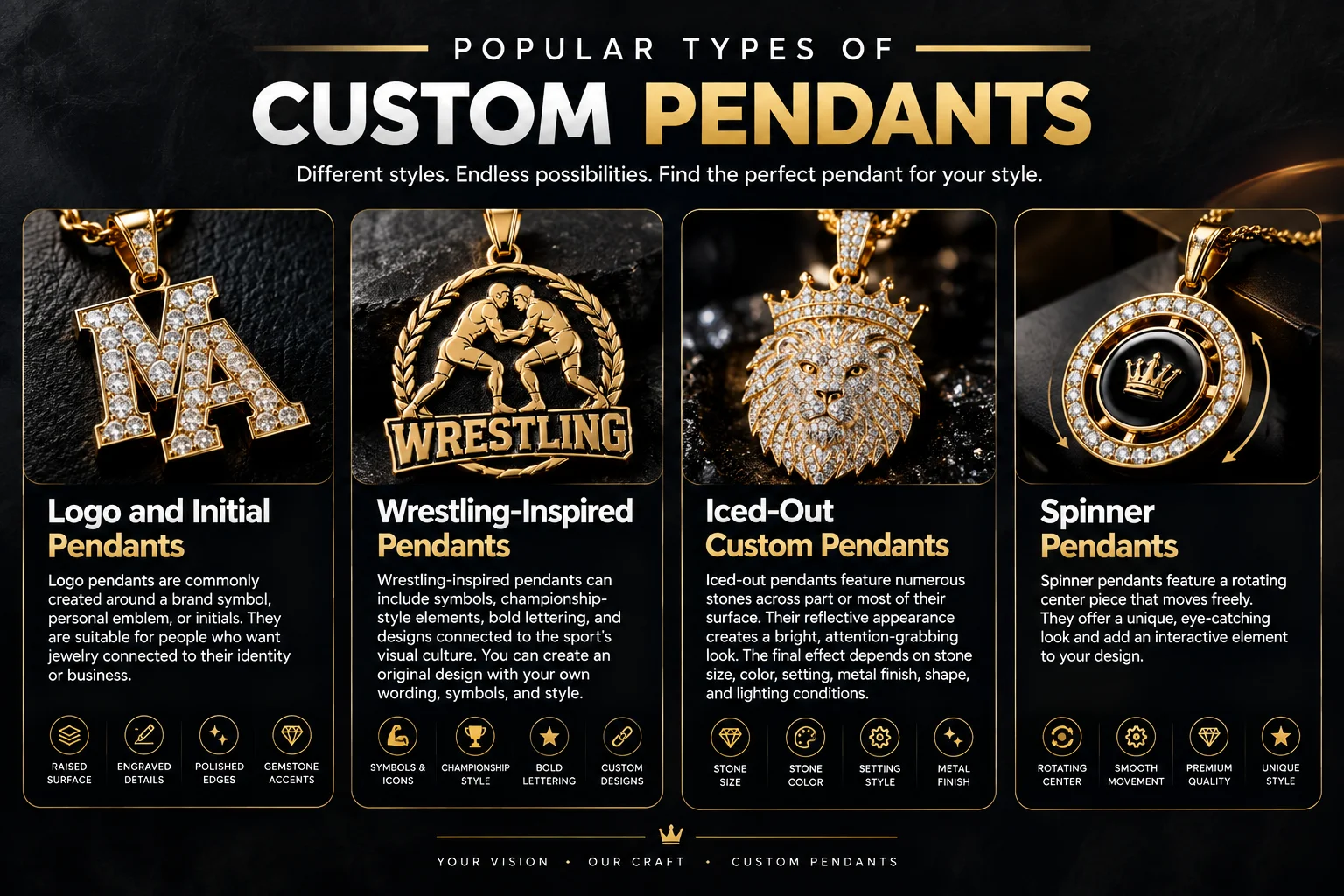
Custom pendants come in many styles, and each type offers different design possibilities. Understanding the available options can help you select a direction before finalizing your artwork.
Logo and Initial Pendants
Logo pendants are commonly created around a brand symbol, personal emblem, or initials. They are suitable for people who want jewelry connected to their identity or business.
A logo can be made with a raised surface, engraved details, polished edges, or gemstone accents. The best approach depends on the artwork and the desired finish.
For example, a simple letter design may look attractive with a clean metal border and selected stones. A more complex logo may benefit from separate raised sections to make the details easier to see.
Wrestling-Inspired Pendants
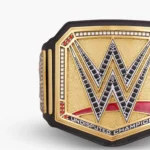
Wrestling-inspired pendants can include symbols, championship-style elements, bold lettering, and designs connected to the sport’s visual culture.
A custom wrestling pendant does not have to copy an existing championship logo. You can create an original design using your own wording, symbols, and visual style.
If the pendant is intended for a wrestler, fan, or collector, consider how the design fits the intended audience and how it will look when worn with a chain.
Iced-Out Custom Pendants
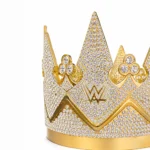
Iced-out pendants feature numerous stones across part or most of their visible surface. Their reflective appearance creates a bright, attention-grabbing look.
The final effect depends on several factors, including:
-
Stone size
-
Stone color
-
Setting arrangement
-
Metal finish
-
Surface shape
-
Lighting conditions
A fully covered design can create a strong visual impact, while a partially iced pendant may provide more contrast between the metal and stones.
When choosing an iced-out design, it is important to consider how much of the original logo or artwork should remain visible. Excessive detailing can reduce clarity if the stones and metal sections are not properly balanced.
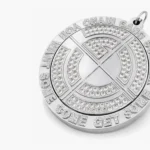
Spinner Pendants
Spinner pendants include a movable center or decorative component that rotates within the main pendant structure.
This style combines visual design with a mechanical feature. The rotating element needs to be planned carefully so that it fits the pendant and operates as intended.
When requesting a spinner pendant, discuss:
-
The shape of the rotating center
-
The movement mechanism
-
The overall pendant dimensions
-
The placement of stones
-
The durability of the moving components
A spinner design can be a useful option for someone who wants a pendant with additional movement rather than a completely fixed centerpiece.
Choosing Materials for a Custom Pendant
The material used for a pendant affects its appearance, weight, durability, finish, and production cost. The right choice depends on your preferences and how you plan to use the jewelry.
Different manufacturers offer different material options, so you should confirm the available choices before approving production.
Zinc Alloy
Zinc alloy is commonly used in decorative jewelry and custom statement pieces. It can be shaped into detailed designs and finished with different plating or surface treatments.
It may be suitable for large, decorative pendants where design flexibility and appearance are important.
However, the quality of the finished pendant depends on the alloy composition, manufacturing process, plating, and overall construction. Do not assume that every zinc alloy pendant has the same weight, strength, or finish.
Brass
Brass is another material used in jewelry manufacturing. It can provide a solid base for decorative designs and may be finished with different plating options.
If you are considering brass, ask about the surface treatment and how the finish is expected to perform under your intended use.
Precious Metals
Gold and sterling silver are also used for custom pendants. These materials may be selected for their appearance, value, and personal significance.
Precious metal options can vary considerably in cost, purity, weight, and manufacturing requirements. If you choose one, confirm the exact metal specification and any applicable hallmarking or documentation.
What Should You Ask the Manufacturer?
Before confirming the material, ask clear questions about:
-
The base metal used in the pendant.
-
The plating or finishing process.
-
The expected weight and thickness.
-
Whether the design is suitable for the selected material.
-
How the pendant should be cleaned and maintained.
Clear communication can help you choose a product that matches your expectations instead of relying only on photographs.
Selecting the Right Pendant Size
Pendant size affects both appearance and comfort. A design that looks attractive in a product image may appear different when worn on an actual chain.
Small pendants can be suitable for everyday outfits, while larger pieces may be preferred for statement styling, performances, or special occasions.
When discussing size, consider the following measurements:
-
Height
-
Width
-
Thickness
-
Approximate weight
-
Bail dimensions
The bail is the part that connects the pendant to the chain. It needs to be large and strong enough to accommodate the selected chain while maintaining a balanced appearance.
Match the Pendant to Your Chain
A pendant and chain should work together visually and physically.
A large pendant may pair well with a thicker chain, while a smaller pendant may be better suited to a lighter design. This is not a strict rule, but the proportions should look intentional.
Before production, confirm that the chain can pass through the bail and that the attachment point is appropriate for the pendant’s weight.
If you plan to wear the pendant frequently, ask about the strength of the bail and the way it is attached to the main body.
Design Details That Make a Pendant Stand Out
The smaller features of a custom pendant can influence its overall appearance. Carefully selected details may help create a more refined result without making the design unnecessarily complicated.
Choosing the Right Stones for Your Custom Pendant
Gemstones are one of the most noticeable elements of a custom pendant. They can add shine, contrast, and detail to the design. Whether you want a fully iced-out pendant or a simple logo with a few stone accents, selecting the right stones helps determine the final appearance.
Different stones offer different levels of brilliance, durability, and cost. Your choice should depend on the intended look, budget, and how often you plan to wear the pendant.
Cubic Zirconia (CZ)
Cubic zirconia is a popular option for decorative jewelry. It is designed to provide a diamond-like appearance and is available in various sizes and colors.
CZ stones can be used for:
-
Full-surface iced-out designs
-
Logo outlines
-
Lettering and symbols
-
Spinner center details
-
Side accents and borders
The appearance of the finished pendant depends on stone quality, cutting, placement, and lighting. Ask your manufacturer about the stone specifications before confirming your order.
Clear vs. Colored Stones
Clear stones create a classic, bright appearance, while colored stones can help highlight particular parts of your design.
For example, a logo pendant might use clear stones throughout the main body with colored accents in the center. A wrestling-inspired pendant could use contrasting colors to separate lettering, symbols, or borders.
The key is to maintain visual balance. Too many colors can make a detailed design look busy, while a carefully selected combination can make the important elements more noticeable.
Understanding Stone Setting and Placement
Stone setting refers to how gemstones are secured within the pendant. The setting affects the appearance, security, and overall construction of the jewelry.
Different designs may use different setting approaches, depending on the material, stone size, and manufacturing method.
Common Setting Considerations
When discussing your design with a manufacturer, ask about:
-
How the stones will be secured
-
Whether the setting is suitable for the intended use
-
The spacing between stones
-
The edges around each stone
-
How the stones will be arranged on curved surfaces
A well-planned layout can help maintain a consistent appearance across the pendant. Poor spacing or uneven placement may make the design look unfinished.
For intricate logos, it is also important to ensure that the metal structure remains visible where needed. Stones should complement the artwork rather than hide the features that make the logo recognizable.
Fully Iced vs. Partially Iced Designs
A fully iced pendant covers much of its visible surface with stones. This creates a bright, luxurious appearance and works well for people who prefer bold statement jewelry.
A partially iced pendant combines metal surfaces with gemstone sections. This approach can create more contrast and allow the original shape or lettering to stand out.
Neither style is required for every design. Your choice should reflect the look you want and the amount of detail your pendant can accommodate.
Choosing the Right Finish and Plating
The finish of a pendant influences its color, reflectiveness, and overall style. Two pendants with the same design can look very different depending on the selected surface treatment.
Common finishes include gold-tone, silver-tone, polished, and contrasting metal effects. Availability depends on the manufacturer’s capabilities.
Gold-Tone Finish
A gold-tone finish gives a warm, traditional jewelry appearance. It can work well with clear stones, bold logos, and wrestling-inspired designs.
If you want a specific shade, discuss whether you prefer a bright yellow gold appearance, a softer tone, or another available option.
Silver-Tone Finish
Silver-tone finishes provide a cooler, clean appearance. They can pair with clear stones and modern pendant designs.
This option may be suitable for people who prefer a more understated metal appearance while still wanting a statement piece.
Ask About Plating Durability
Plating can wear over time, particularly when jewelry is exposed to friction, moisture, sweat, or chemicals. The durability depends on the plating material, thickness, preparation, and usage conditions.
Before ordering, ask:
-
What plating or finish is being used?
-
Is the finish suitable for frequent wear?
-
How should the pendant be cleaned?
-
What conditions can cause the finish to fade or wear?
-
Are maintenance or refinishing services available?
Avoid assuming that a particular finish will remain unchanged indefinitely. Proper care and realistic expectations can help protect your investment.
How Custom Pendant Manufacturing Works
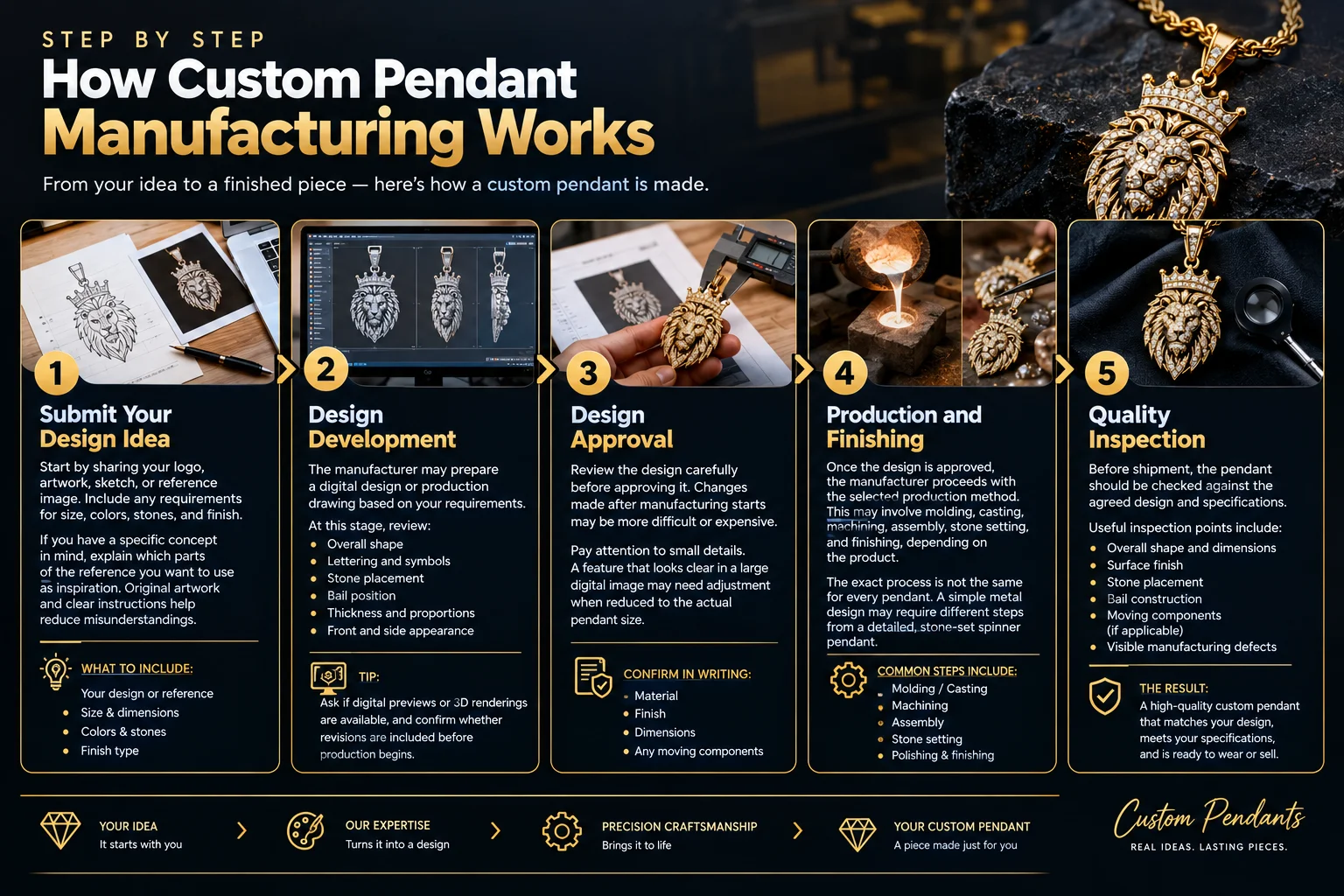
Understanding the production process can make it easier to communicate with a jewelry manufacturer. The exact steps depend on the design, material, and production methods.
A typical custom order may involve the following stages.
Step 1: Submit Your Design Idea
Start by sharing your logo, artwork, sketch, or reference image. Include any requirements for size, colors, stones, and finish.
If you have a specific concept in mind, explain which parts of the reference you want to use as inspiration. Original artwork and clear instructions help reduce misunderstandings.
Step 2: Design Development
The manufacturer may prepare a digital design or production drawing based on your requirements.
At this stage, review:
-
Overall shape
-
Lettering and symbols
-
Stone placement
-
Bail position
-
Thickness and proportions
-
Front and side appearance
Some manufacturers offer digital previews or 3D renderings. Ask whether revisions are included before production begins.
Step 3: Design Approval
Review the design carefully before approving it. Changes made after manufacturing starts may be more difficult or expensive.
Pay particular attention to small details. A feature that looks clear in a large digital image may need adjustment when reduced to the actual pendant size.
Confirm the final specifications in writing, including the material, finish, dimensions, and any moving components.
Step 4: Production and Finishing
Once the design is approved, the manufacturer proceeds with the selected production method. This may involve molding, casting, machining, assembly, stone setting, and finishing, depending on the product.
The exact process is not the same for every pendant. A simple metal design may require different steps from a detailed, stone-set spinner pendant.
Step 5: Quality Inspection
Before shipment, the pendant should be checked against the agreed design and specifications.
Useful inspection points include:
-
Overall shape and dimensions
-
Surface finish
-
Stone placement
-
Bail construction
-
Moving components, if applicable
-
Visible manufacturing defects
Ask whether photographs or a final inspection update are available before shipping.
Common Mistakes to Avoid When Ordering Custom Pendants
A custom pendant is a personal design project, and small oversights can affect the finished result. Planning ahead can help you avoid unnecessary revisions.
1. Choosing a Design With Too Much Detail
Highly detailed artwork may not translate well into a small pendant. Thin lines, tiny lettering, and closely spaced features can become difficult to manufacture or recognize.
Solution: Ask the manufacturer to review the artwork for production suitability. Simplify details when necessary without losing the main identity of the design.
2. Ignoring the Pendant’s Thickness
A pendant’s thickness affects its proportions, weight, and overall appearance. Choosing dimensions based only on height and width may leave important information out.
Solution: Confirm the thickness and approximate weight before approving the design.
3. Forgetting the Bail Size
The bail must work with your chain. If it is too small, the chain may not fit. If it is poorly proportioned, the pendant may hang awkwardly.
Solution: Share your chain specifications or measurements with the manufacturer and confirm compatibility.
4. Not Reviewing Stone Placement
The placement of stones can change how the logo or design is perceived. Uneven spacing or excessive coverage may reduce clarity.
Solution: Request a clear preview of the stone layout and identify which details must remain visible.
5. Assuming All Custom Jewelry Has the Same Quality
Two pendants made from similar materials may differ in construction, finishing, stone setting, and quality control.
Solution: Ask for relevant product details, clear photographs, and specific information about the manufacturing process rather than relying on material names alone.
How to Care for Your Custom Pendant
Proper care can help preserve the appearance of your pendant. The best cleaning method depends on the metal, plating, stones, and construction.
Keep Your Pendant Away From Harsh Chemicals
Perfume, cleaning products, chlorine, and other chemicals may affect certain finishes or materials. Remove your pendant when using products that could damage its surface.
If you wear your pendant during physical activity, consider the effects of sweat, friction, and impact. Decorative stone settings and plated surfaces may require extra care.
Clean It Gently
Follow the manufacturer’s cleaning instructions. In many cases, a soft, clean cloth is appropriate for removing surface dust and fingerprints, but the correct method varies by material and stone setting.
Avoid using abrasive materials or aggressive cleaning products unless the manufacturer confirms they are safe.
Store It Properly
Store your pendant in a dry, protected place when you are not wearing it. Keeping it separate from other jewelry can reduce scratching and tangling.
Spinner pendants and pieces with delicate details may benefit from additional protection during storage.
How to Order a Custom Pendant From a Manufacturer
Once you have a design concept, selecting a suitable manufacturer is the next step. A good ordering process starts with clear communication and realistic expectations.
Share Complete Requirements
When contacting a manufacturer, include the details that matter most to your design.
For example:
-
Your logo or artwork
-
Preferred pendant size
-
Material preference
-
Stone type and color
-
Finish or plating
-
Chain compatibility
-
Intended use
-
Quantity required
You do not need to know every technical detail before making an inquiry. However, providing clear requirements helps the manufacturer understand your expectations.
Ask for a Design Preview
A design preview can help you identify issues before production. Depending on the service, you may receive a 2D drawing, 3D rendering, or other visual representation.
Check the design from different angles and ask about any features that are unclear.
For a spinner pendant, confirm the position and movement of the center. For an iced-out logo, check that the stone layout supports the original design.
Confirm the Order Details
Before placing the order, clarify:
-
Final design approval process
-
Material and finish
-
Pendant dimensions
-
Production timeline
-
Shipping arrangements
-
Payment terms
-
Revision policy
-
Applicable warranty or after-sales support
The specific terms vary by manufacturer. Keep a written record of the agreed specifications so both sides have a clear reference.
Custom Pendants for Wrestling Fans, Athletes, and Collectors
A custom pendant can be designed for many purposes. The right approach depends on the person wearing it and the occasion.
For Wrestling Fans
Wrestling fans may choose pendants inspired by the sport’s bold visual style. Original symbols, personalized lettering, and championship-inspired elements can create a design connected to their interests.
If you are creating a wrestling-themed pendant, consider using original artwork rather than reproducing protected logos without permission.
For Athletes and Performers
Athletes and performers may prefer jewelry that represents their identity or stage presence. A personal logo or custom emblem can provide a consistent visual theme across accessories.
The size and weight should be considered if the pendant will be worn during movement or performances.
For Collectors
Collectors may focus on the design’s craftsmanship, uniqueness, and connection to a particular theme. Limited custom concepts, original artwork, and carefully documented specifications can be relevant to a collector’s decision.
A collector should also consider how the pendant will be stored and whether it is intended for display or regular wear.
Questions to Ask Before Buying a Custom Pendant
Here are some practical questions to help you prepare for an order.
Can I use my own logo or artwork?
Many custom jewelry manufacturers accept customer-provided artwork, but the available formats and design services vary. Confirm the accepted file types and whether artwork preparation is included.
Can I choose the pendant’s size and thickness?
Many custom designs can be produced with specified dimensions. Ask the manufacturer what size range is suitable for your design and material.
Can I request a spinner pendant?
Some manufacturers offer spinner designs. Confirm whether the requested mechanism, size, and stone layout are feasible.
How do I know if the stones will look good?
Request a clear stone placement preview and ask about the stone specifications. Lighting and photography can affect how stones appear in product images.
How should I maintain the pendant?
Ask for material-specific cleaning and storage instructions, particularly if the piece has plating, moving components, or delicate settings.
Create a Pendant That Represents Your Style
A custom pendant gives you the opportunity to turn an idea into a piece of jewelry that feels personal. Whether you prefer a bold wrestling-inspired design, a logo pendant, or an iced-out statement piece, thoughtful planning can make the process easier.
Start with a clear concept, select materials and finishes that suit your needs, and pay attention to size, chain compatibility, and stone placement. Before production, review the design carefully and confirm the specifications with your manufacturer.
The most effective pendant design is one that combines your personal vision with practical construction and thoughtful detailing. When these elements work together, the result can be a statement piece that you enjoy wearing and keeping for years.
Bring Your Custom Pendant Idea to Life
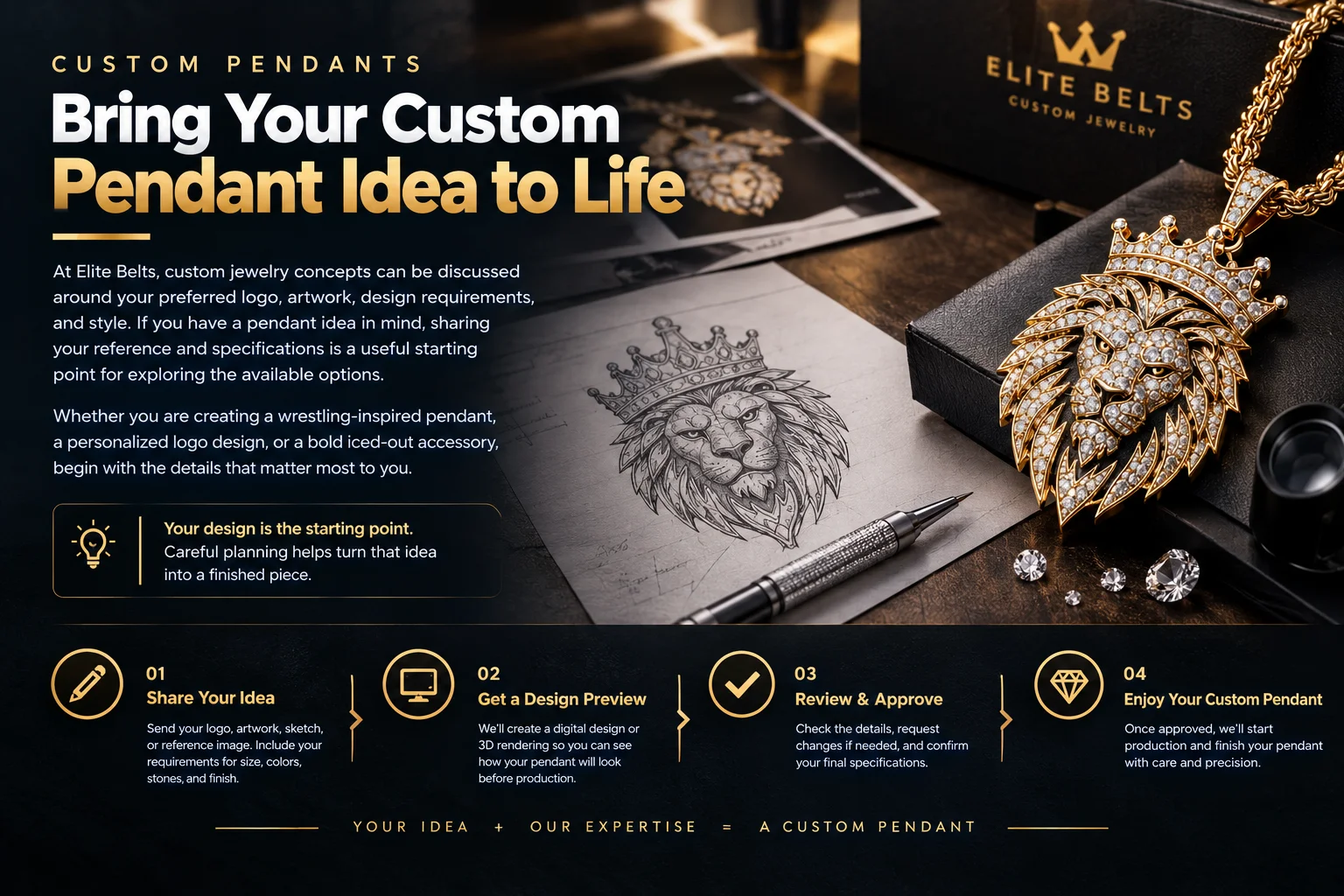
At Elite Belts, custom jewelry concepts can be discussed around your preferred logo, artwork, design requirements, and style. If you have a pendant idea in mind, sharing your reference and specifications is a useful starting point for exploring the available options.
Whether you are creating a wrestling-inspired pendant, a personalized logo design, or a bold iced-out accessory, begin with the details that matter most to you.
Your design is the starting point. Careful planning helps turn that idea into a finished piece.